Should I Choose a Higher or Lower Load Rating?
By Tyre Legends – Mobile Tyre Fitting Across London and Surrounding Areas
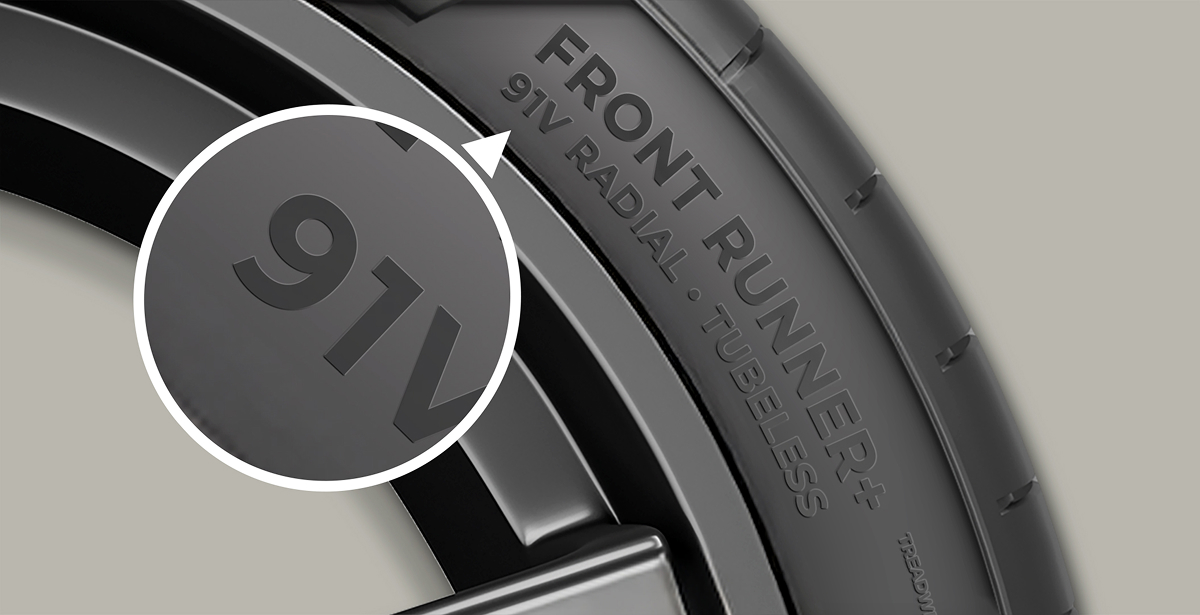
When buying new tyres, you’ll notice a number on the sidewall just before the speed rating — this is the load rating (also called the load index). While many drivers focus on size and brand, load rating is a critical safety factor.
One of the most common questions we receive at Tyre Legends is: Should I choose a higher or lower load rating than I currently have?
If you’re driving in London and the surrounding areas, understanding this can help you make the safest and most appropriate decision.
What Is a Load Rating?
The load rating is a number that indicates the maximum weight a tyre can safely support when properly inflated.
Example:
225/45 R17 94V
- 94 is the load rating
- A load rating of 94 supports up to 670 kg per tyre
Your vehicle manufacturer sets a minimum load rating based on:
- Vehicle weight
- Passenger capacity
- Suspension system
- Engine performance
This specification ensures safe braking, stability, and overall handling.
Can You Choose a Lower Load Rating?
No — you should never fit a tyre with a lower load rating than the manufacturer recommends.
Using a lower load rating can result in:
- Excessive tyre flex
- Overheating
- Reduced structural strength
- Tyre failure
- Potential MOT or insurance issues
Even if you rarely carry heavy loads, the tyre must always support the full weight of the vehicle safely.
Going lower compromises safety and should be avoided.
Can You Choose a Higher Load Rating?
Yes — choosing a higher load rating is usually acceptable.
For example, if your vehicle requires a load rating of 91 (615 kg), fitting tyres rated 94 (670 kg) is perfectly safe.
Advantages of a Higher Load Rating:
- Stronger internal construction
- Improved durability
- Better performance when carrying heavy loads
- Additional safety margin
This can be beneficial if you:
- Regularly carry passengers
- Travel long distances on motorways
- Use roof boxes or carry extra cargo
- Drive an SUV or heavier vehicle
Does a Higher Load Rating Affect Comfort?
Higher load-rated tyres may have slightly firmer sidewalls. This can sometimes result in:
- A firmer ride
- Slightly sharper steering response
However, for most drivers in London, this difference is minimal and often unnoticeable in everyday driving.
Safety and compliance should always take priority over minor comfort differences.
What About XL (Extra Load) Tyres?
You may see tyres marked XL (Extra Load) or reinforced. These tyres are designed to handle heavier loads and are commonly fitted to:
- SUVs
- Vans
- Larger saloon cars
- Electric vehicles
If your vehicle was originally fitted with XL tyres, it’s recommended to replace them with the same specification.
The Key Rule to Remember
- ✔ Never go below the manufacturer’s minimum load rating.
- ✔ Going higher is generally safe.
- ✔ Always match the correct size and speed rating.
Choosing the correct load rating ensures your braking system, suspension, and tyres work together safely — especially on busy London roads and motorways.
Mobile Tyre Advice with Tyre Legends
You don’t need to visit a garage for professional advice. Tyre Legends operates fully equipped mobile tyre fitting vans across London and surrounding areas.
We offer:
- Mobile Tyre Fitting
- Puncture Repairs
- Wheel Balancing
- Tyre Swaps
- Valve Replacement
- TPMS Replacement
- 24HR Emergency Call Out
Before fitting any tyre, we always check your vehicle manufacturer’s specifications to ensure full safety and compliance.
Need Help Choosing the Right Load Rating?
📞 07377 633456
📞 07984 111060
📧 tyrelegendsltd@gmail.com
Tyre Legends proudly provides professional mobile tyre services across London and surrounding areas. The correct load rating isn’t just a number — it’s essential for safe and confident driving.
Recent Blogs