
What Is Load Rating?
By Tyre Legends – Mobile Tyre Fitting Across London and Surrounding Towns
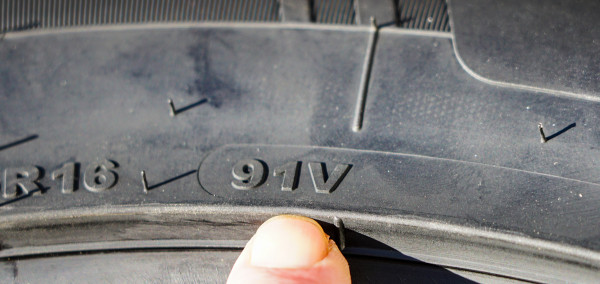
When replacing your tyres, you’ll notice a series of numbers and letters marked on the sidewall. While many drivers recognise the tyre size, fewer understand the load rating — even though it is one of the most important factors for tyre safety and legal compliance.
At Tyre Legends, we help motorists across London and surrounding areas choose tyres that meet their vehicle’s exact specifications. Understanding load rating ensures your tyres can safely support your vehicle’s weight at all times.
What Does Load Rating Mean?
The load rating (also known as the load index) is a number that indicates the maximum weight a single tyre can carry when properly inflated.
For example:
225/45 R17 94W
In this example, 94 is the load rating.
Each load index number corresponds to a specific weight capacity in kilograms. Since your vehicle has four tyres, the combined total capacity must meet or exceed the manufacturer’s recommended requirement.
Common Passenger Vehicle Load Index Chart
| Load Index | Maximum Load (kg per tyre) |
|---|---|
| 85 | 515 kg |
| 86 | 530 kg |
| 87 | 545 kg |
| 88 | 560 kg |
| 89 | 580 kg |
| 90 | 600 kg |
| 91 | 615 kg |
| 92 | 630 kg |
| 93 | 650 kg |
| 94 | 670 kg |
| 95 | 690 kg |
| 96 | 710 kg |
| 97 | 730 kg |
| 98 | 750 kg |
| 99 | 775 kg |
| 100 | 800 kg |
| 101 | 825 kg |
| 102 | 850 kg |
| 103 | 875 kg |
| 104 | 900 kg |
For example, a tyre with a load index of 94 can carry up to 670 kg. Across four tyres, that equals a total load capacity of 2,680 kg (under proper inflation conditions).
Why Is Load Rating So Important?
1. Safety Under Load
Your tyres carry the weight of the vehicle, passengers, luggage, and fuel. If the load rating is too low, tyres can overheat, flex excessively, and potentially fail — particularly during motorway driving around London.
2. Stability and Braking Performance
Correctly rated tyres maintain structural strength, improving braking efficiency, handling, and overall vehicle stability.
3. Legal and Insurance Compliance
Using tyres with a lower load rating than recommended by the manufacturer can result in MOT failure and may invalidate your insurance. UK regulations require tyres to meet or exceed the vehicle’s specified rating.
Can You Fit a Higher Load Rating?
Yes. Fitting tyres with a higher load index than recommended is generally acceptable, provided the tyre size and speed rating are correct.
For example, if your vehicle requires a load index of 91 (615 kg), you may use 94 (670 kg) tyres.
However, never fit tyres with a lower load rating than specified.
What About XL (Extra Load) Tyres?
Some vehicles require XL (Extra Load) or reinforced tyres. These are designed with stronger internal construction to support heavier loads.
They are commonly fitted to:
- Sport Utility Vehicles (SUVs)
- Larger saloons
- Vans
- Vehicles that regularly carry heavy cargo
If your vehicle was originally fitted with XL tyres, you should continue using them.
Mobile Tyre Fitting with Tyre Legends
You don’t need to visit a garage to ensure your tyres meet the correct load rating. Tyre Legends operates fully equipped mobile tyre fitting vans across London and surrounding towns.
Our services include:
- Mobile Tyre Fitting
- Puncture Repairs
- Wheel Balancing
- Tyre Swaps
- Valve Replacement
- TPMS Replacement
- 24HR Emergency Call Out
Before fitting any tyres, we carefully check your vehicle manufacturer’s specifications to ensure full compliance and safety.
Need Help Choosing the Right Load Rating?
If you’re unsure about your tyre’s load index or need a professional replacement service, we’re here to help.
📞 07377 633456
📞 07984 111060
📧 tyrelegendsltd@gmail.com
Tyre Legends is committed to delivering reliable mobile tyre services across London and surrounding areas. The correct load rating isn’t just a number — it’s essential for safe, legal, and confident driving.
Recent Blogs